Understanding French Quarter Grid Planning
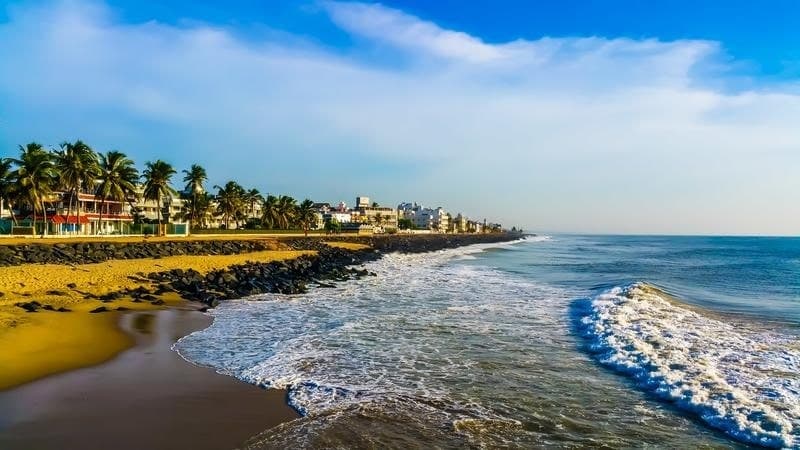
Walking through Puducherry’s White Town (French Quarter) is unlike exploring any other coastal town in India. Laid out in the early 18th century by French engineers using a strict orthogonal grid system, the quarter is bounded by the Canal (Gingee River channel) on the west and the Bay of Bengal on the east.
Every street runs symmetrically east-to-west towards the ocean breeze, or north-to-south parallel to the coastline. This geometric precision ensured optimal ventilation and natural cooling for French administrative officers during warm summer months.
Step-by-Step Walking Route (6:30 AM – 9:00 AM)
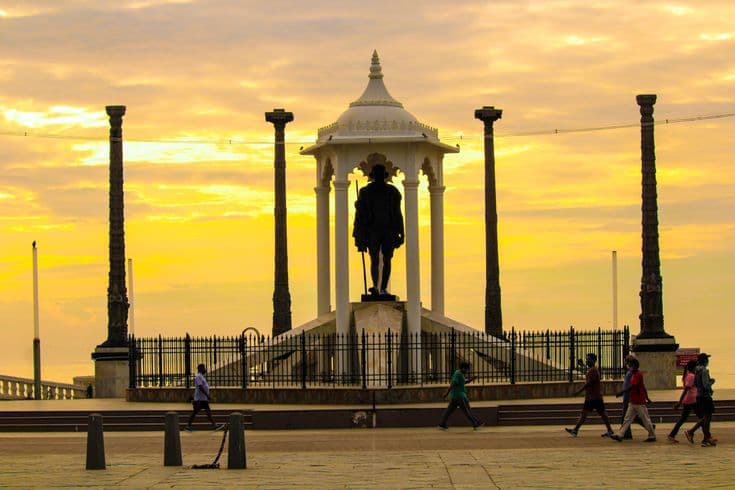
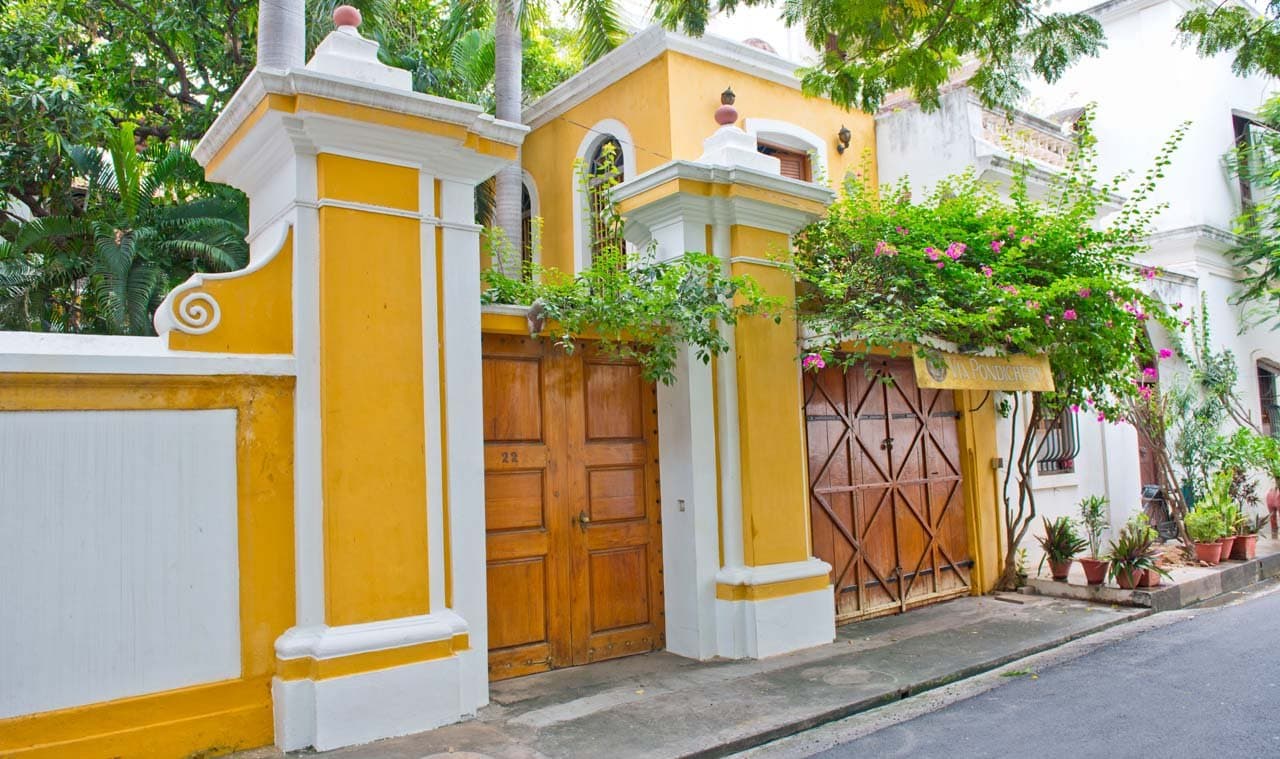
The best time to walk White Town is early morning before 9:00 AM when traffic is absent, birds nest in ancient bougainvillea trees, and the morning light casts a warm golden hue over mustard-yellow facades.
Start at Rue Suffren by Alliance Française, then head north through Rue Romain Rolland before concluding along Goubert Avenue oceanfront.
Architectural Secrets: Louvers & Thinnaikals
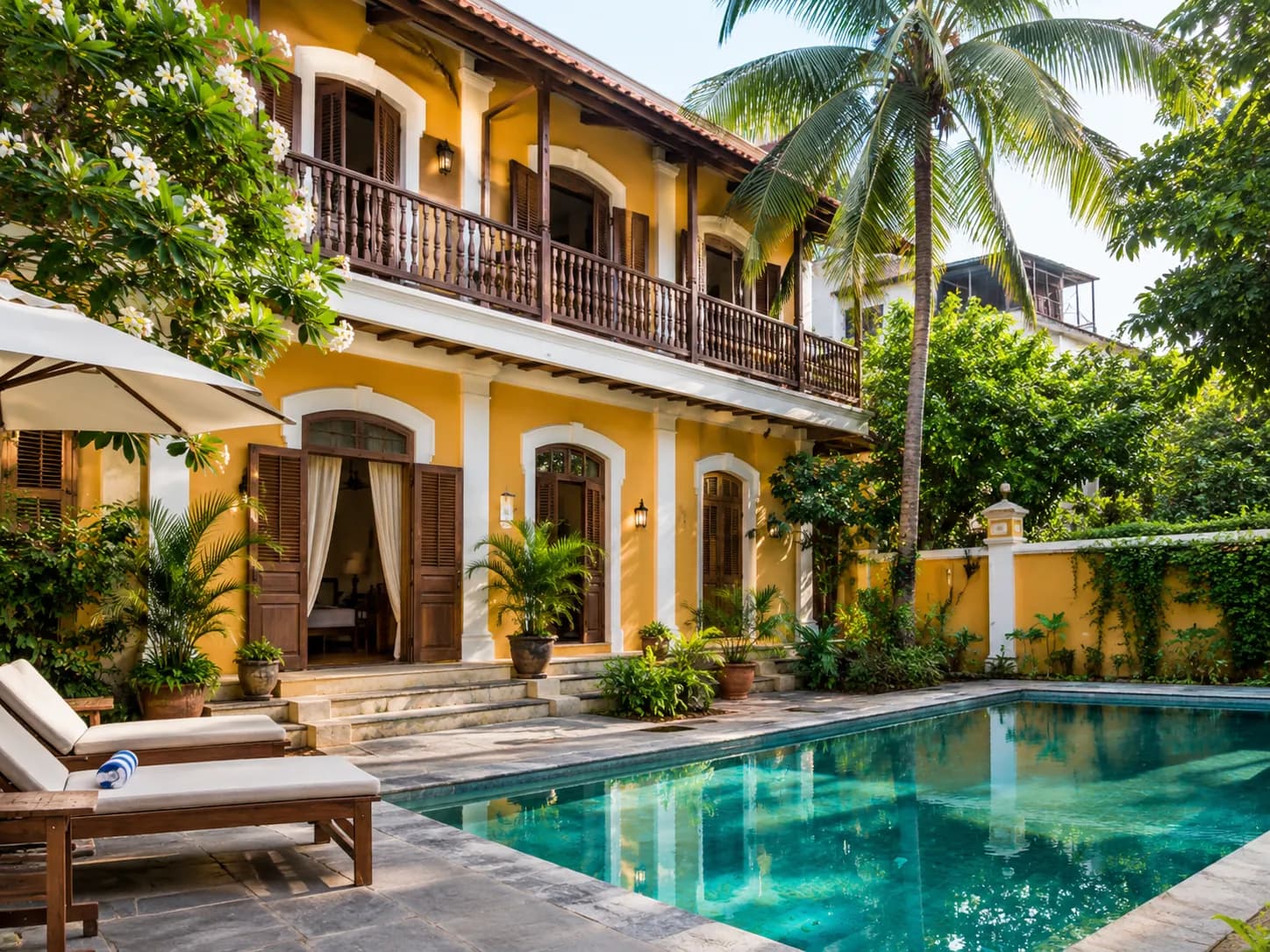
French architecture in Pondicherry represents a unique fusion of European Neoclassical motifs adapted to Tamil tropical climate conditions.
Key elements include adjustable Louvered Wooden Shutters (Jalousies), flat terraced roofs built using brick jelly mortar, and shell-lime plaster finishes tinted with ochre yellow.
3 Must-Visit Colonial Heritage Churches
No walking tour of Puducherry is complete without visiting its historic French Catholic cathedrals: Our Lady of Angels (1855), Sacred Heart Basilica with Gothic revival glass panels, and the 300-year-old Immaculate Conception Cathedral.
Practical Tips for Photographers & Walkers
Wear light cotton clothing and comfortable walking shoes. Respect private residential properties when photographing facades, and stop for cold brews or French pastries along Rue Dumas.
Mr. Fyros. A.
Tour Manager & A+ Tour Guide. Mr. Fyros has conducted over 1,500+ heritage walks for visiting scholars, university delegates, and international travellers.